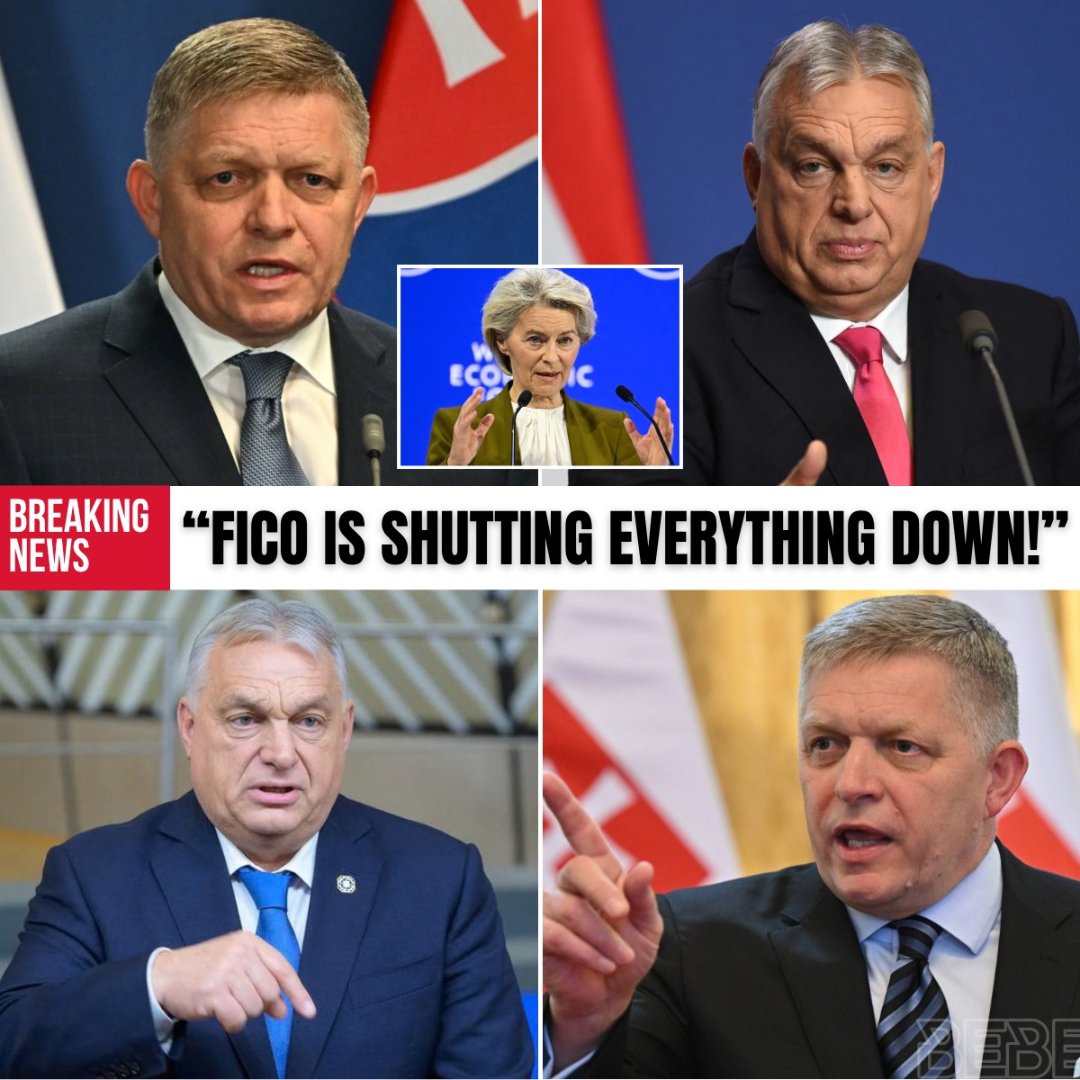
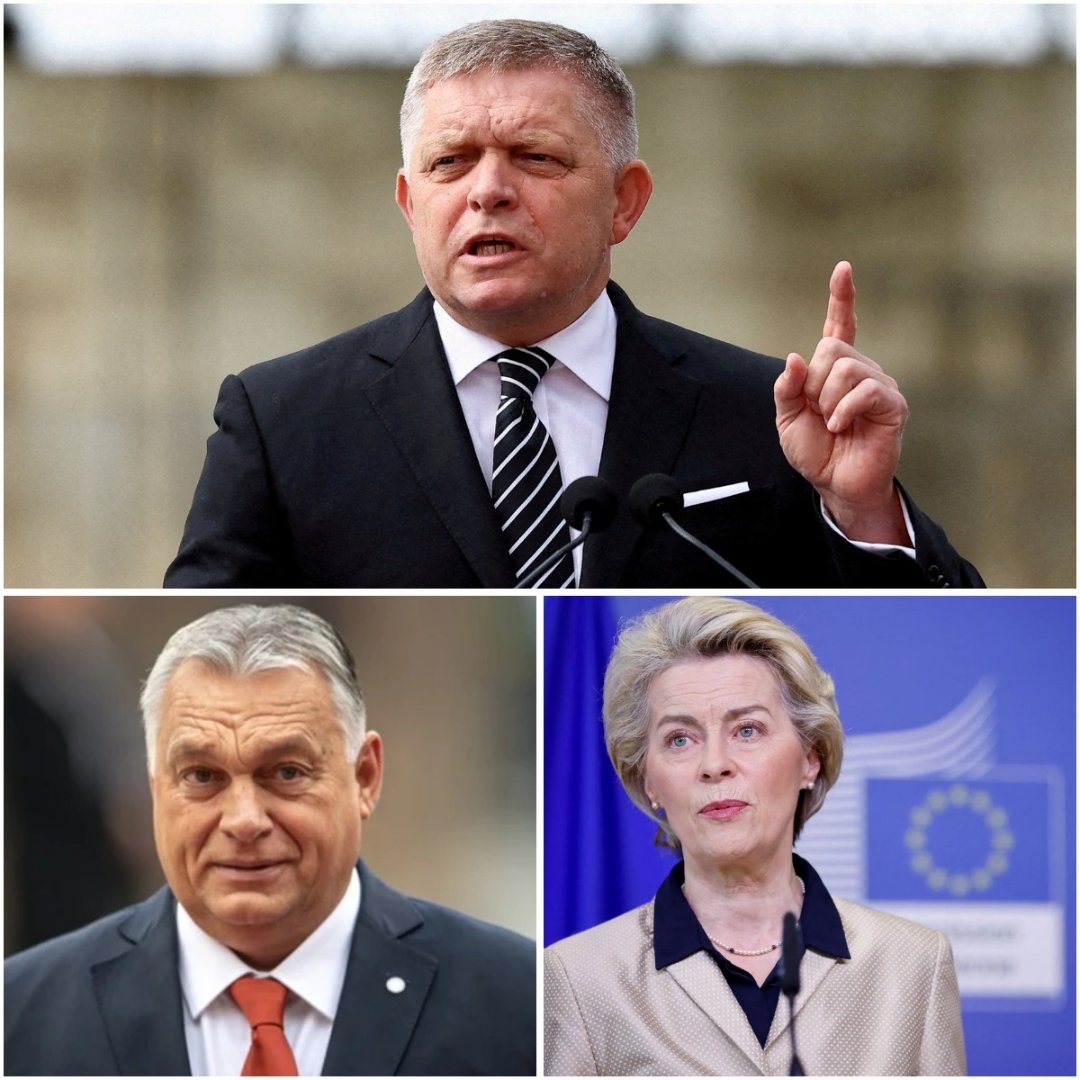
Brussels is in turmoil. What was expected to be routine negotiations among EU leaders has erupted into a full-blown crisis, as Slovak Prime Minister Robert Fico openly challenges key EU decisions and signals support for Viktor Orbán. In doing so, Fico has halted billions of euros in funding decisions, putting major infrastructure projects, aid packages, and collaborative initiatives across the Union at serious risk.
The European Commission had anticipated a smooth consensus-building process, but instead, the corridors of power are buzzing with panic. Reports from insiders describe tense emergency meetings, hurried consultations, and an air of uncertainty not often seen in Brussels’ otherwise orderly bureaucratic halls.
Fico’s Bold Move
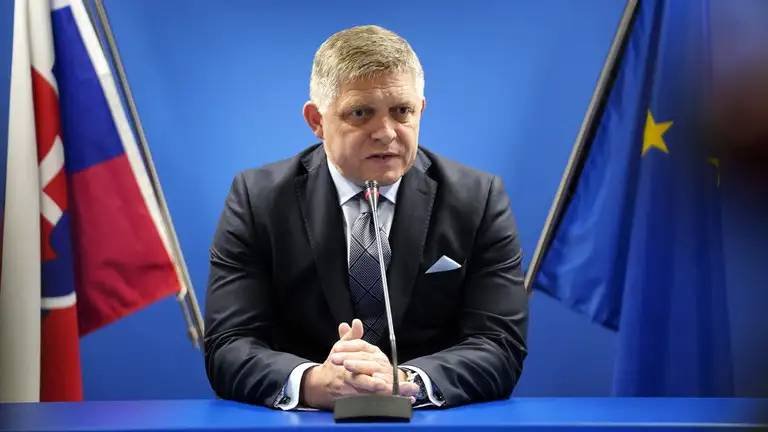
Fico’s intervention is described by diplomats as unprecedented in its timing and impact. With a single public statement and calculated political pressure, he has effectively stalled discussions and exposed deep divisions among member states. Analysts note that Fico’s alignment with Orbán represents a broader sovereignty-focused bloc increasingly willing to resist EU-wide mandates when national interests are perceived to be at stake.
“Fico didn’t just block decisions; he shook the foundation of trust in EU negotiation processes,” said one Brussels-based political analyst. “It’s the first time in recent memory that a Prime Minister’s intervention has halted billions in planned expenditures in such a dramatic fashion.”
Consequences Across the Union
The stakes could hardly be higher. Aid packages, infrastructure funding, environmental programs, and joint economic initiatives — collectively worth billions of euros — are now in jeopardy. Officials fear that delays may ripple across multiple sectors, affecting both long-term investments and immediate relief efforts in various member states.
Meanwhile, Ursula von der Leyen faces mounting pressure. Commission sources indicate that she is grappling with the fallout, coordinating emergency strategy sessions, and attempting to mediate between member states whose interests are suddenly at odds.
In Berlin, too, concerns are growing. Chancellor Friedrich Merz and his advisors are reportedly monitoring the conflict closely, understanding that stalled EU decisions could undermine Germany’s leadership role and influence within the bloc. Some officials warn that the current impasse could set a precedent for other member states to assert themselves, potentially weakening the Commission’s central authority.
A Political Power Struggle
At the heart of the crisis is a tension that has been simmering for years: the balance between national sovereignty and EU-wide cohesion. Fico’s stance reflects a growing pushback against centralized EU directives, especially when they touch on national budgets or domestic priorities.
“This isn’t just a financial dispute,” said Dr. Elena Kovacs, an expert on European politics. “It’s a political statement: that member states can, and will, resist when they feel Brussels oversteps.”
Fico’s alignment with Orbán also highlights the emergence of a cross-national bloc within the EU that could challenge traditional power structures. Analysts suggest that if these dynamics persist, future negotiations may become more contentious, slowing down decision-making processes that the EU relies on for economic stability and cohesion.
Social Media Frenzy
News of Fico’s blockade spread like wildfire on social media. Twitter and Facebook users across Europe are debating the implications: some praise Fico for defending national interests, while others criticize the disruption of critical EU projects. Hashtags like #FicoBlocks, #EUCrisis, and #SovereigntyVsBrussels have been trending since the announcement.
Videos of emergency meetings, press briefings, and political commentary are circulating rapidly. Analysts note that the story has captured the public imagination far beyond usual EU news circles, sparking conversations about governance, accountability, and the future of European unity.
Implications for Germany
Germany’s role is particularly precarious. With Chancellor Merz trying to maintain a stable EU agenda, Fico’s actions complicate Berlin’s influence over both financial allocations and policy decisions. Experts warn that prolonged conflict could undermine confidence in Germany’s ability to lead consensus-driven initiatives, potentially emboldening other member states to challenge central directives.
The €90 billion in decisions now on hold could determine the trajectory of infrastructure projects, social aid, and energy investments across Europe for years to come. Any prolonged stalemate risks economic uncertainty, political friction, and erosion of trust among member states.
What’s Next?
Brussels is in emergency mode. Von der Leyen has called urgent consultations with EU leaders, aiming to negotiate a path forward without alienating key players like Slovakia and Hungary. Meanwhile, Fico shows no sign of retreating, reinforcing his commitment to national sovereignty over centralized EU mandates.
Observers predict that the coming days will be decisive: either compromise will be reached, or the standoff will escalate, potentially reshaping the dynamics of power, negotiation, and authority within the European Union.
A Historic Moment
Few events in recent EU history have demonstrated the fragility of continental consensus so starkly. Fico’s intervention, while controversial, has spotlighted deep divisions and forced a reassessment of how decisions are made, who holds power, and what balance exists between Brussels and its member states.
“The EU has faced crises before, but this one is unique. It’s not economic, not bureaucratic—it’s political theater with real-world consequences,” says a Brussels political correspondent.
As negotiations continue, the world watches. Millions are asking: Is the European Union on the brink of a structural shift? Will national sovereignty prevail over centralized power, or can the Union hold together?
One thing is certain: Brussels has never seen a blockade like this, and the consequences will reverberate across the continent for years to come.