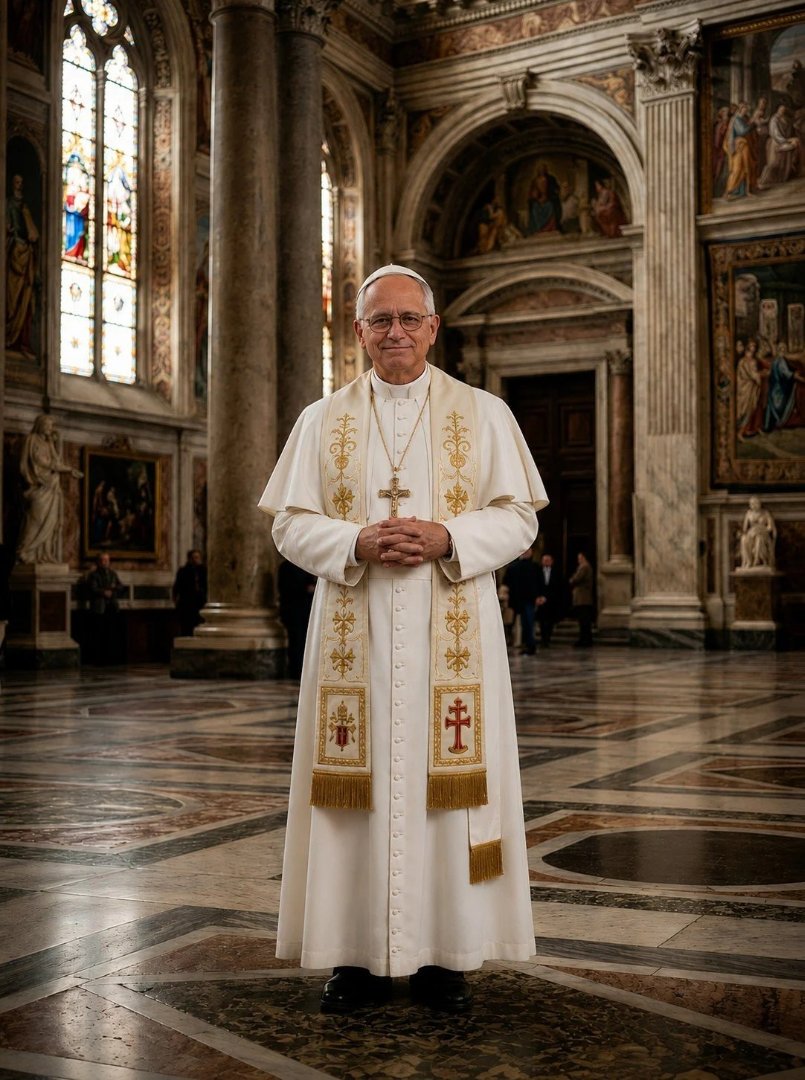
The world watched in stunned silence on Monday as Pope Leo XIV stepped forward to confront one of the most painful chapters in Church history. In a rare and deeply personal address, the pontiff issued a sweeping apology for the Holy See’s historical role in legitimizing slavery — and for centuries of silence that allowed the atrocity to persist unchecked.
“This is a wound in Christian memory,” Pope Leo XIV declared, his voice resonating with gravity and solemnity. “A wound that continues to challenge the moral integrity of the Church, and the conscience of every believer.”
For the first time in history, a pope directly acknowledged the responsibility of the papacy itself. While previous pontiffs had offered apologies for the actions of Christians who participated in the trans-Atlantic slave trade, none had explicitly addressed the Vatican’s own role — the granting of authority, the tacit endorsements, and centuries of inaction that enabled the suffering of millions.
Acknowledging the Past
The apology revealed details that many scholars had long suspected but few had seen publicly acknowledged. Pope Leo XIV highlighted that, for centuries, previous popes had authorized European rulers to conquer, subjugate, and enslave non-Christian populations, referred to at the time as “infidels.” These papal decrees effectively legitimized brutal colonial expansion, allowing systemic oppression under the guise of religious sanction.
“History cannot be rewritten,” the pope stated, “but it must be confronted honestly. To acknowledge our failures is the first step toward true repentance and reconciliation.”
Experts describe the apology as unprecedented in scope. Dr. Maria Alvarez, a historian specializing in religious institutions, commented, “We have never heard a pontiff confront the structural role of the Vatican itself in such a direct way. This is not about individual sins of Christians, but about the moral responsibility of the Church as an institution.”
A Global Response
The pope’s statement immediately reverberated across the globe. Social media erupted with reactions ranging from admiration and relief to shock and disbelief. Many praised Pope Leo XIV for taking responsibility, while others questioned what concrete actions would follow this apology.
Leaders from African nations and Caribbean countries, long advocating for recognition and reparations related to slavery, called the pope’s words “historic” and “long overdue.” Reverend Samuel Okoro, an activist from Nigeria, said, “For centuries, the Church provided spiritual cover for the enslavement of our ancestors. This acknowledgment opens a door for accountability and dialogue that many of us thought impossible.”
In addition to social media chatter, religious scholars and clergy weighed in, emphasizing the significance of acknowledging institutional complicity. “This apology shifts the narrative,” said Professor Elena Rossi of the Pontifical University in Rome. “It moves from individual repentance to institutional responsibility, which is a profound step for the Church and its moral leadership worldwide.”
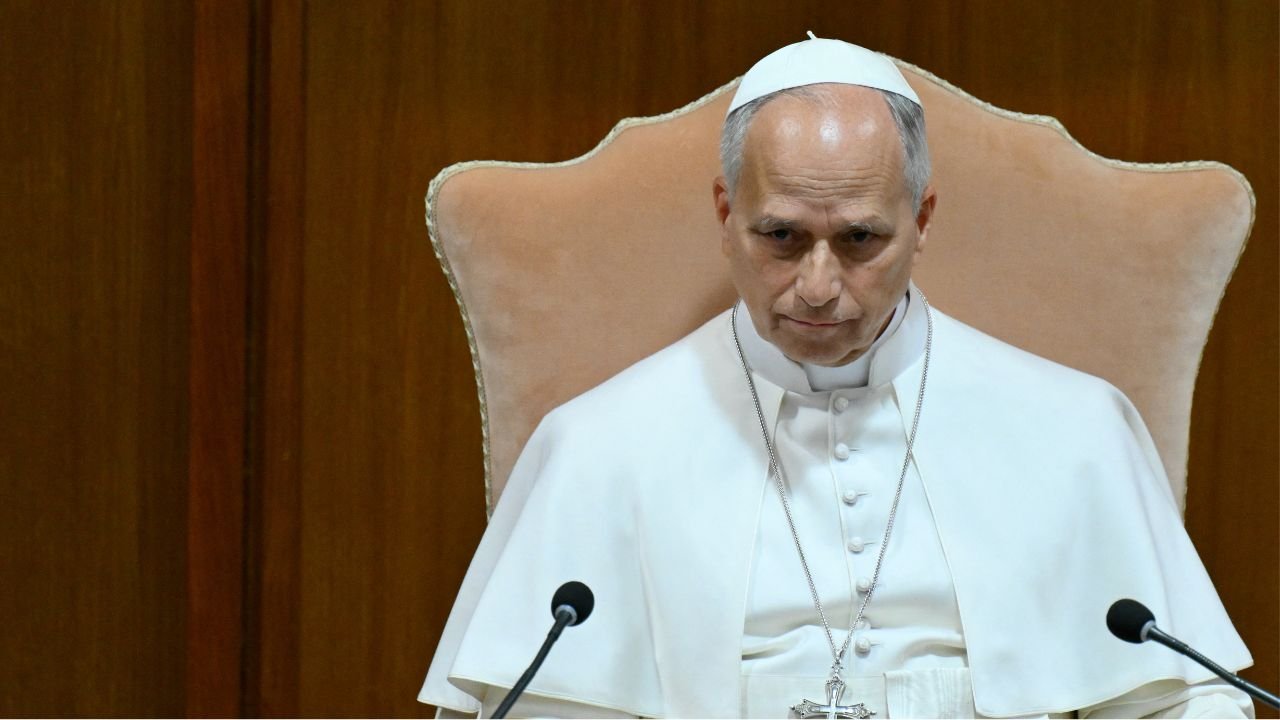
Confronting a Moral Legacy
The Pope did not shy away from the moral weight of the Church’s past. He described the Vatican’s record as a “scar on our collective conscience” and acknowledged that centuries of silence had allowed dehumanizing systems to flourish. “It is not enough to express regret for past sins,” Pope Leo XIV said. “We must recognize how these acts shaped societies, denied human dignity, and stained the very principles of Christian ethics.”
Observers note that this apology may redefine how the Church approaches historical injustices in the future. While previous statements often centered on forgiveness for individual believers, this acknowledgment targets structural decisions made by the Church hierarchy itself — a move that could influence discussions around restitution, education, and reform.
Calls for Action
Many leaders are now urging the Vatican to pair words with action. Proposed measures include educational programs on the history of slavery, support for descendants of enslaved populations, and institutional reforms to prevent complicity in future injustices.
“An apology, while powerful, is only meaningful if it leads to tangible change,” said Dr. Alvarez. “We must watch closely to see how the Vatican translates these words into action, and whether the Church will engage in reparative efforts that reflect the moral seriousness of this admission.”
Pope Leo XIV’s speech also encouraged Catholics worldwide to reflect on their faith, history, and moral responsibilities. “We cannot erase the past, but we can honor truth and justice today,” he said. “Let us confront our history with courage and humility, so that this wound may begin to heal.”
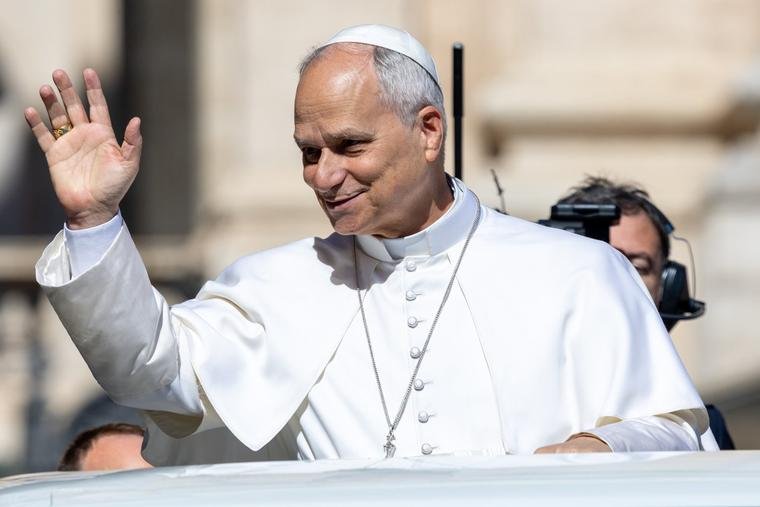
A Moment for the Church
As cameras captured the pontiff’s solemn words, the global community felt the weight of this moment. For some, it was a step toward reconciliation. For others, a reminder of centuries of unacknowledged suffering. The apology has already sparked intense debates about the Church’s role in history, the limits of moral authority, and the responsibility of religious institutions to confront their legacies.
Regardless of opinion, Pope Leo XIV’s statement represents a turning point: a pope facing the institutional sins of the past with unprecedented candor. Whether it leads to systemic change or remains a symbolic gesture, the words themselves mark a historic reckoning for the Catholic Church and its global congregation.
“This wound in Christian memory,” the Pope concluded, “must never be ignored again. Let us face it honestly, with faith and courage, and strive for a future shaped by justice, truth, and compassion.”
The world now waits to see whether the Vatican will follow this historic apology with substantive measures. For centuries, silence allowed suffering to persist. Pope Leo XIV has broken that silence — now history and humanity will judge what comes next.